
October 7, 2025
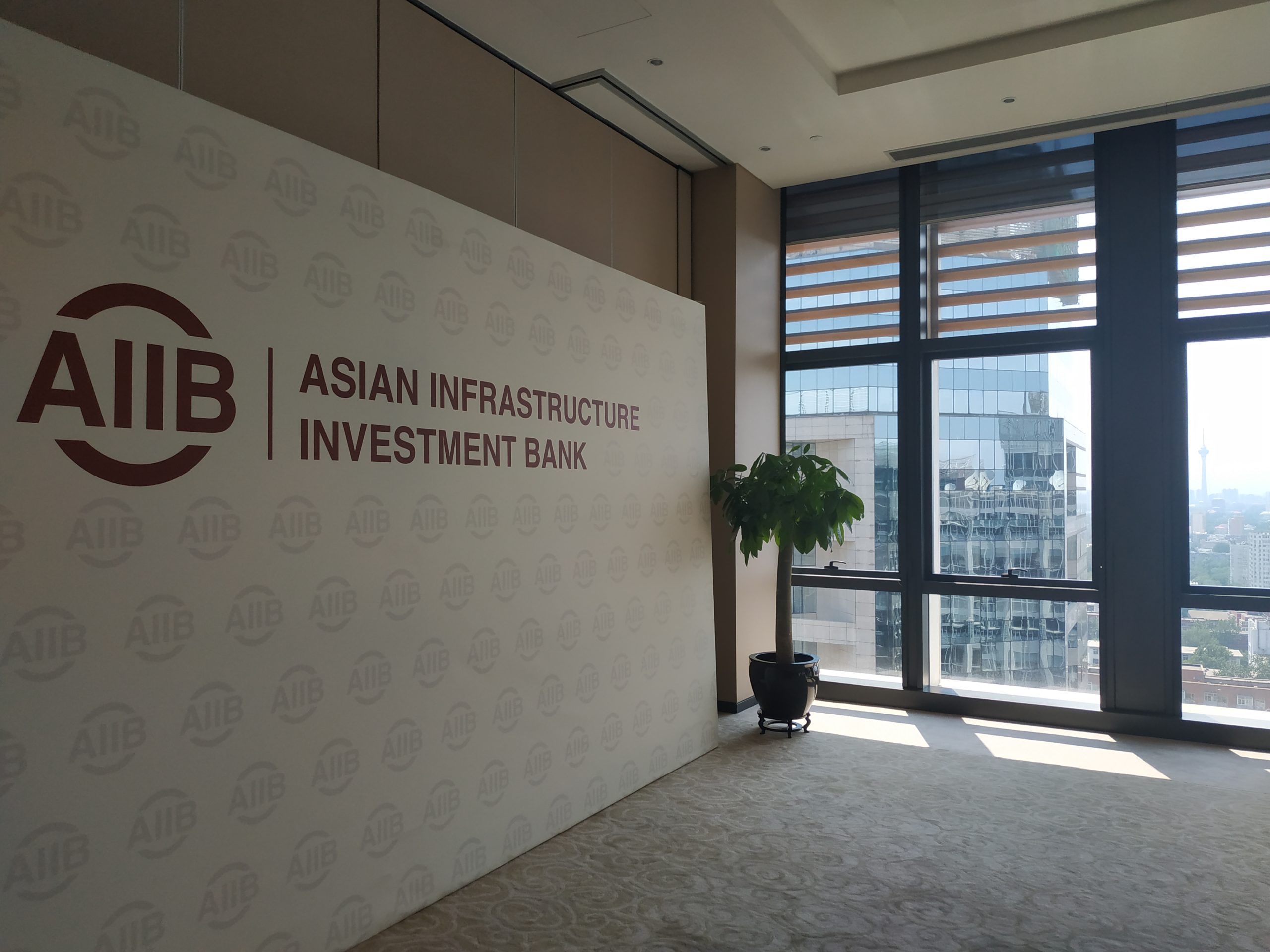
Asia enters the final quarter of 2025 facing a mix of opportunity and tension as shifting U.S. trade policies and an accelerating AI investment boom reshape regional markets. The volatility of Washington’s tariff agenda has become a defining feature of global economic relations, with one senior economist warning that policy uncertainty is approaching historic levels. Erik Berglöf, Chief Economist at the Asian Infrastructure Investment Bank, told The Times of India that current conditions may be “as uncertain as those during the COVID-19 pandemic or the global financial crisis.”
The turbulence is reflected in markets across the region. Asian equities are poised for a positive start to the quarter, buoyed by a strong tech rally in the U.S. and rising demand for semiconductors tied to AI infrastructure. Taiwan and South Korea remain central to this boom, drawing robust investment flows into their advanced manufacturing sectors. Yet, the lingering impact of broad U.S. tariffs continues to weigh on exporters, forcing many firms to reconfigure supply chains and seek alternate shipping routes. Trade data indicate that some rerouting is occurring through Cambodia and Vietnam, prompting U.S. Customs and Border Protection to impose tariffs of up to 40 percent on goods suspected of transshipment.
The pressures are being felt even among Washington’s closest allies. In Seoul, officials have publicly pushed back against comments from President Donald Trump suggesting that South Korea would make a $350 billion “signing bonus” payment under a recent trade deal. Government representatives clarified that the commitment involves loans, guarantees, and equity investments, not direct cash transfers. The episode highlights growing sensitivities around the U.S. strategy of linking market access to domestic investment, a point of contention also surfacing in talks with Japan. Analysts say such asymmetric agreements could face political and logistical challenges before they take effect.
Diplomatic efforts are intensifying ahead of the APEC Economic Leaders’ Meeting in South Korea later this month, where U.S. and Chinese leaders are expected to meet face-to-face for the first time in the current administration. Markets are watching closely for any signal of a thaw in bilateral ties, though expectations remain modest after Beijing imposed new sanctions on six U.S. firms over military ties with Taiwan. The move underscores how trade and security have become increasingly intertwined in the world’s two largest economies.
For businesses and policy analysts, attention is now turning to the legal front. A pending U.S. court ruling on tariff authority, expected in November, could redefine the scope of presidential power over trade measures and set the tone for global commerce heading into 2026. Until then, the global trade order remains in flux, shaped as much by strategic rivalry as by economic fundamentals.
References
- https://www.swissinfo.ch/eng/asian-stocks-poised-to-track-tech-fueled-us-gains%3A-markets-wrap/90124307
- https://timesofindia.indiatimes.com/business/india-business/us-tariffs-uncertainty-bigger-than-covid-financial-crisis/articleshow/124327870.cms
- https://timesofindia.indiatimes.com/business/international-business/south-korea-us-trade-deal-seoul-says-cant-pay-350-bn-in-cash-seeks-alternative-solution/articleshow/124203125.cms
- https://www.maersk.com/news/articles/2025/10/01/north-america-market-update-october
- https://www.rolandberger.com/en/Insights/Publications/Asia-s-supply-chain-reconfiguration.html
- https://apnews.com/article/china-us-trade-sanctions-a76e4e0890e126dd77d56dc4b17dddbe