
November 11, 2025
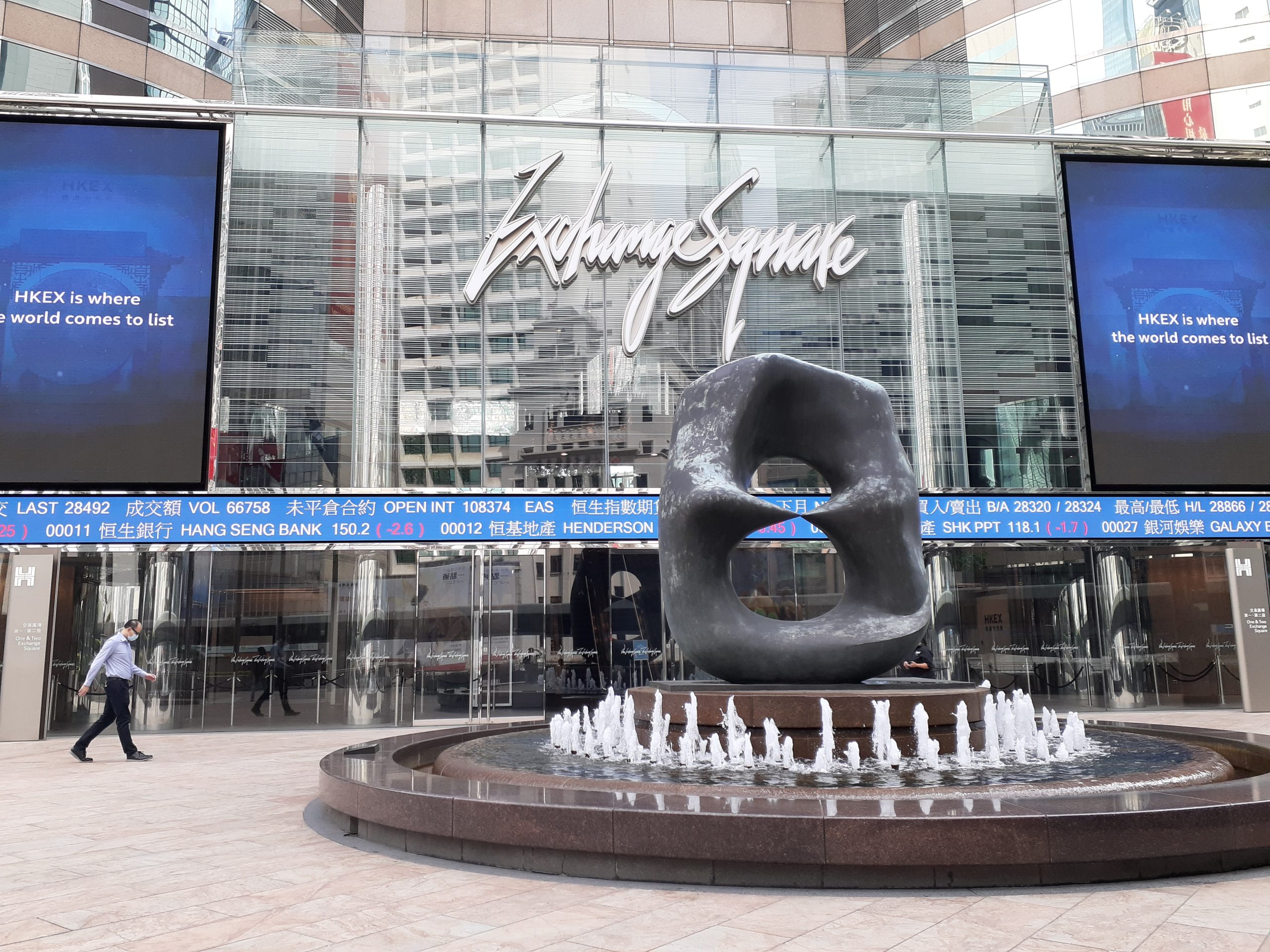
Asian equity markets advanced for a second consecutive day today, lifted by optimism surrounding progress in Washington toward ending the prolonged U.S. government shutdown, now in its sixth week. The improved sentiment across regional markets, including Tokyo, Hong Kong, and Seoul, reflects growing confidence that Congress is close to approving a temporary spending deal that would reopen government functions through January. The anticipated resolution is expected to restore the release of key U.S. economic data, such as employment and inflation figures, that investors rely on to gauge Federal Reserve policy direction. The rally followed overnight gains on Wall Street, driven by strong performances among major technology stocks. Despite concerns about stretched valuations in the AI sector, investor appetite for large-cap tech companies continues to underpin global market optimism.
The positive momentum was also buoyed by signs of stability in U.S.–China trade relations following discussions at the APEC summit. Both sides reiterated commitments to implementing the trade truce announced last month, with reports indicating incremental steps toward easing compliance rules for multinational firms. However, while the diplomatic thaw supports near-term sentiment, broader legal and policy uncertainty continues to cloud the global trade outlook.
A key source of uncertainty lies in Washington, where the U.S. Supreme Court last week heard arguments on whether the International Emergency Economic Powers Act (IEEPA) grants the President authority to impose broad tariffs without congressional approval. Justices from across the ideological spectrum expressed skepticism that tariff-setting could be justified under emergency powers, noting that such measures resemble taxation, an authority constitutionally vested in Congress. Legal analysts suggest that if the Court rules against the administration, a wide range of tariffs imposed under IEEPA could be invalidated, potentially opening the door for importers to seek substantial refunds. Although such a ruling would not directly affect tariffs imposed under Section 301 (unfair trade practices) or Section 232 (national security), it would significantly narrow executive discretion in trade policy, forcing greater reliance on congressional oversight.
Meanwhile, attention in the region also turned to reports that Washington may be considering a partial rollback of tariffs on select Indian exports following indications of reduced Indian purchases of Russian oil. Analysts say a moderation of current duties, though still high compared with those imposed on other trading partners, would mark a meaningful gesture toward easing tensions with a key strategic ally. While these discussions remain preliminary, they highlight a shift toward pragmatic recalibration in U.S. trade relations as global supply chains continue to adjust.
For investors and businesses operating across the Asia-Pacific, these developments underscore a complex but potentially stabilizing backdrop: progress toward ending the U.S. shutdown offers near-term clarity, while the pending Supreme Court decision could reshape the legal foundations of U.S. trade policy. Market participants will be watching both Washington and the courts closely in the coming weeks for signals that determine whether the current wave of optimism can sustain its momentum.
https://timesofindia.indiatimes.com/business/international-business/markets-watch-asian-stocks-rise-as-us-shutdown-nears-end-oil-prices-stay-under-pressure/articleshow/125238844.cms
https://www.businesstoday.com.my/2025/11/11/asian-markets-rise-as-us-edges-toward-ending-record-shutdown/
https://www.mufgresearch.com/fx/asia-fx-talk-us-government-shutdown-may-end-soon-11-november-2025/
https://www.channelnewsasia.com/asia/asia-stocks-record-us-shutdown-nears-end-5459491
https://www.swlaw.com/publication/what-if-the-supreme-court-overrules-the-reciprocal-tariffs-plan-now-for-refunds-protests-and-contract-reconciliation/
https://www.hklaw.com/en/insights/publications/2025/11/supreme-court-oral-arguments-signal-skepticism