
9 January 2026
As the global economy moves into the first quarter of 2026, the international trade environment appears to be settling into a fragile and conditional stabilization between the United States and China, one defined less by resolution than by tactical restraint. Following the so-called “Busan Rapprochement” reached in late October 2025, which temporarily eased the risk of further tariff escalation, both governments have shifted attention toward reinforcing domestic industrial capacity while managing a tightly controlled economic interdependence. While near-term trade tensions have moderated, analysts widely agree that the core structural rivalry remains intact, increasingly expressed through selective measures in strategically sensitive sectors such as rare earth supply chains and advanced technologies rather than broad-based tariffs.
This recalibrated approach is illustrated by the United States’ decision to delay the introduction of additional tariffs on Chinese semiconductor imports until mid-2027. Announced by the Office of the United States Trade Representative (USTR), the move reflects an acknowledgment of persistent supply chain constraints and the continued dependence of US industries on certain categories of legacy chips. Rather than signaling a reversal of trade policy, the delay appears intended to preserve negotiating leverage while minimizing immediate disruptions to domestic technology and manufacturing sectors, particularly in light of China’s use of rare earth export controls during negotiations in 2025.
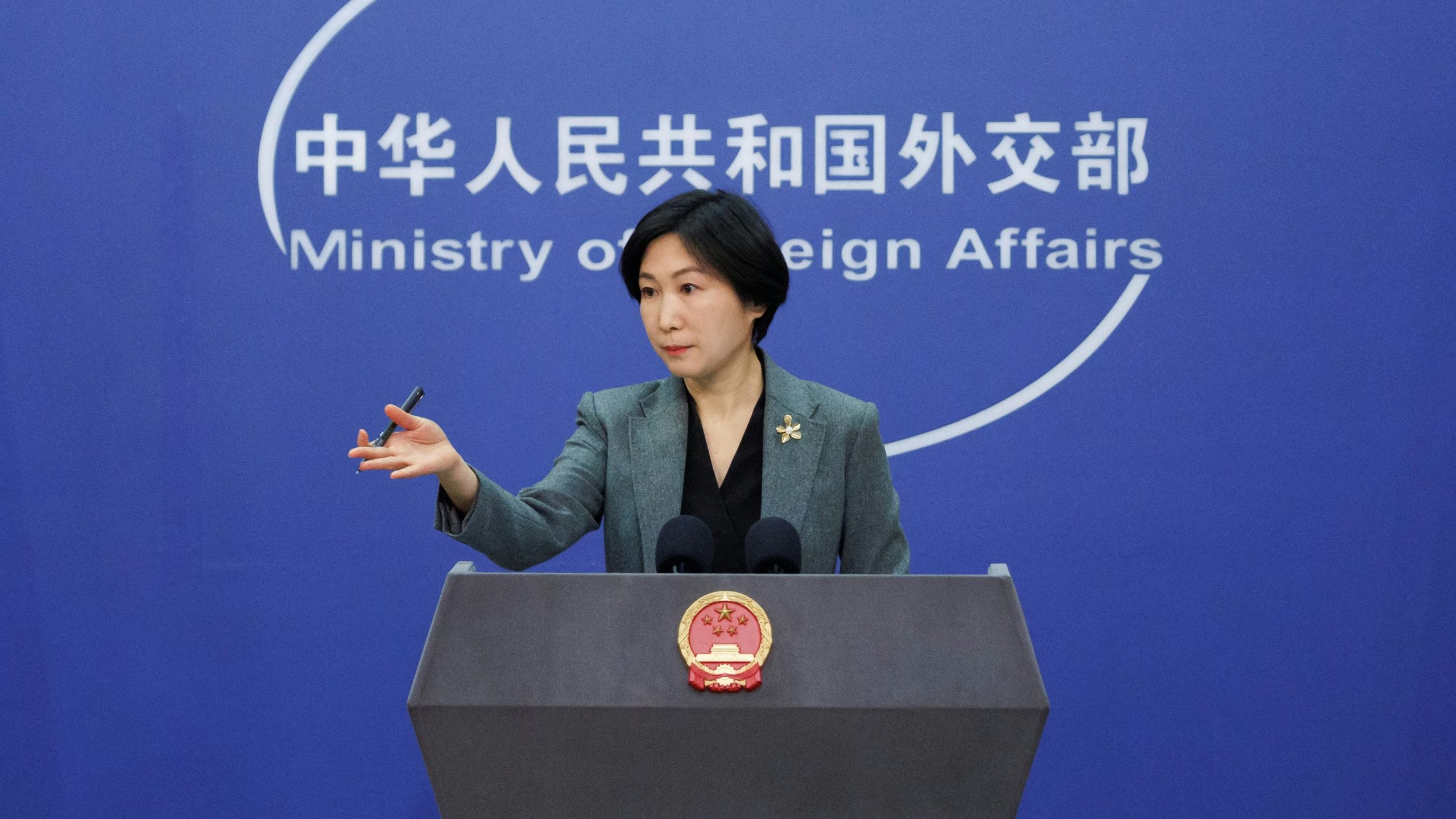
On the Chinese side, Beijing has adjusted its trade posture through the rollout of the “2026 Tariff Adjustment Plan,” which reduces import duties on a wide range of selected industrial and strategic goods. Effective January 1, 2026, the policy emphasizes securing critical inputs for high-value manufacturing rather than promoting across-the-board trade liberalization. Observers note that the move aligns with broader objectives outlined in China’s 15th Five-Year Plan, aimed at enhancing economic resilience and reducing exposure to external pressure by accelerating technological upgrading within domestic supply chains. Lowering costs for key imported components is thus framed as a supply-side strategy rather than a signal of renewed openness.
Meanwhile, the European Union faces mounting strategic constraints as it navigates between evolving US trade priorities and China’s expanding economic engagement with emerging markets. European policymakers continue to grapple with the challenge of sustaining a coherent industrial strategy amid internal divisions and growing external pressure to align trade policy more closely with US security considerations. Market analysts suggest that this environment is contributing to a gradual fragmentation of the global trade system into overlapping spheres of influence, prompting multinational firms to reassess efficiency-driven “just-in-time” production models in favor of more redundancy-oriented “just-in-case” approaches.
Despite the current pause in tariff escalation, the broader geopolitical context remains unsettled. Diplomatic frictions in regions where US and Chinese strategic interests intersect, such as recent disputes involving Venezuela, underscore that competition for influence in the Global South continues even as trade tensions ease at the bilateral level. China’s rejection of US pressure to distance itself from key regional partners highlights the limits of trade détente in containing wider geopolitical rivalry. As a result, while early 2026 has brought a degree of short-term stability, the global trading system appears increasingly shaped by regional alignments and security considerations rather than a unified rules-based framework.
References
https://asiatimes.com/2026/01/china-slashes-hundreds-of-tariffs-in-strategic-trade-war-twist/
https://chinaglobalsouth.com/2026/01/08/china-rejects-trumps-pressure-on-venezuela-to-cut-ties/
https://www.euromonitor.com/article/economies-and-consumers-in-2026-key-trends-to-watch
https://www.orfonline.org/expert-speak/the-busan-rapprochement-the-us-china-trade-deal
https://www.wiley.law/alert-United-States-and-China-Negotiate-One-Year-Trade-Deal