
27 March 2026
The fragile hope for a global economic “soft landing” is facing renewed uncertainty. In its latest report, the Organisation for Economic Co-operation and Development warns that the world economy is entering a period of heightened instability. Ongoing geopolitical tensions in the Middle East, combined with shifts in American trade policy, are contributing to mounting price pressures that could complicate the post-pandemic recovery. The Paris-based organization has revised its 2026 forecasts, signaling that inflation may remain elevated and supply chains less predictable than previously expected. For consumers and businesses alike, the outlook suggests a more challenging cost environment ahead.
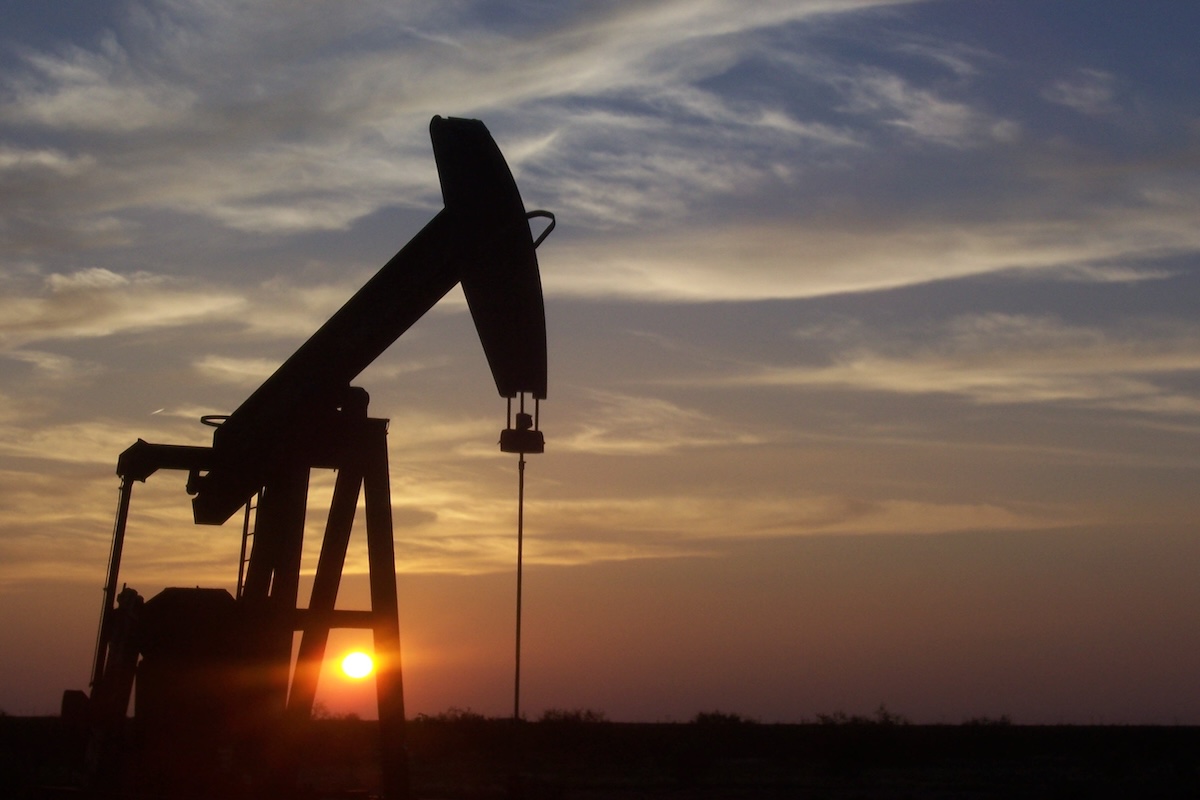
At the center of this reassessment is an updated projection for the United States. The OECD indicates that U.S. inflation could rise to around 4.2 percent this year, compared with 2.6 percent in 2025. This upward revision reflects several interacting factors, including energy market volatility linked to conflict in the Middle East. While there has been no confirmed full closure of the Strait of Hormuz, heightened risks in the region have contributed to fluctuations in oil and gas prices. The OECD characterizes these dynamics as adding cost pressures across economies, effectively functioning like an “oil tax” on consumers. Despite relatively strong domestic production, the United States remains exposed to global energy pricing, complicating the policy outlook for the Federal Reserve as it weighs inflation against growth concerns.
At the same time, changes in U.S. trade policy are adding another layer of uncertainty. Following a Supreme Court decision affecting prior tariff authorities, the administration has invoked Section 122 of the Trade Act of 1974 to introduce a temporary 10 percent import tariff. While intended to address balance-of-payments concerns, economists note that such measures may contribute to cost-push inflation by increasing import prices. Rather than a uniform or permanent restructuring of trade, this policy is better understood as a short-term intervention, though one that could still affect supply chains and pricing across a range of goods.
In Europe, the outlook is similarly cautious. The Eurozone growth forecast has been revised downward by approximately 0.4 percentage points, reflecting weaker industrial momentum and continued exposure to energy price volatility. Economies such as Germany face particular pressure due to their reliance on energy-intensive manufacturing. The OECD notes that Europe’s sensitivity to external energy shocks remains higher than that of the United States, and the combined effects of elevated fuel costs and trade disruptions are weighing on competitiveness. While recession is not presented as inevitable, the risk has become more central in policy discussions.
As the OECD highlights “significant downside risks” to these projections, central banks are navigating a difficult balance. Much of the current inflation stems from supply-side factors, limiting the effectiveness of conventional monetary tightening. With geopolitical tensions unresolved and trade frictions persisting, the global economy may face a period of slower growth alongside sustained price pressures. The OECD recommends targeted and temporary support for vulnerable groups, while emphasizing that restoring stability will likely require both economic adjustment and geopolitical de-escalation.
References
https://www.oecd.org/en/publications/oecd-economic-outlook-interim-report-march-2026_d4623013-en.html
https://www.taipeitimes.com/News/biz/archives/2026/03/27/2003854533
https://www.whitecase.com/insight-alert/trump-administration-imposes-10-section-122-tariff-plan-replace-ieepa-tariffs
https://www.ey.com/en_gl/technical/tax-alerts/us-implements-global-10-percent-import-tariff-under-section-122-of-the-trade-act-of-1974
https://www.businesstoday.in/world/story/iran-war-shock-us-inflation-seen-hitting-42-as-global-growth-weakens-522570-2026-03-26