
20 April 26
The global economic environment is entering a period of heightened uncertainty, as the temporary easing of tensions in early April gives way to renewed geopolitical and financial strain. As of April 20, 2026, fragile diplomatic progress between Washington and Tehran appears increasingly unstable, raising concerns about the security of the Strait of Hormuz. While the waterway briefly reopened, reports of renewed military posturing have reintroduced volatility into energy markets. Brent crude prices have responded with sharp swings, reflecting how sensitive global supply chains remain to disruptions in this critical corridor. Rather than signaling a single decisive break, these developments point to a broader pattern of instability that is forcing analysts to reassess growth and inflation expectations, particularly for energy-importing economies.
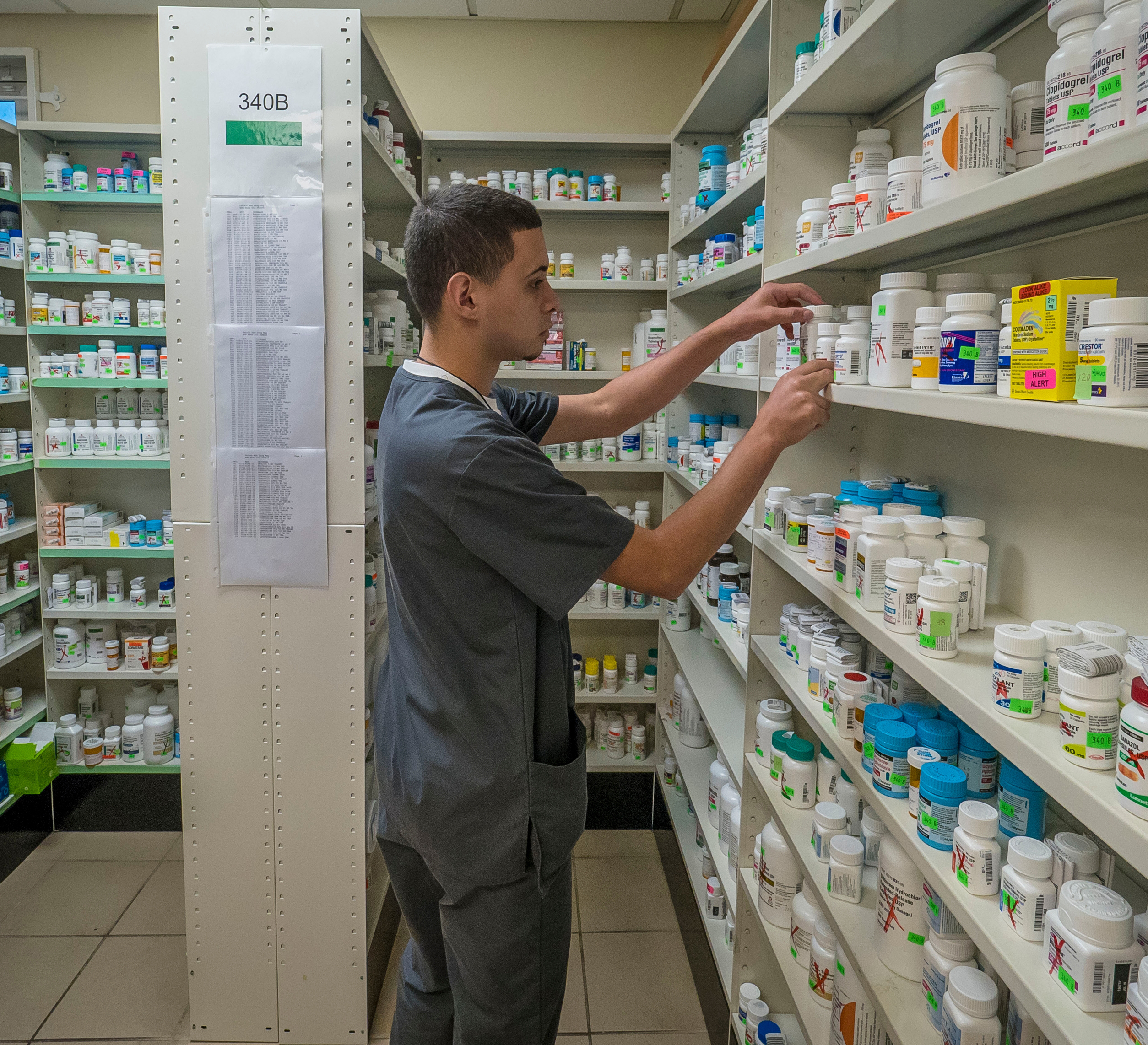
At the same time, trade policy is adding another layer of pressure. The United States has signaled a shift toward more targeted, sector-specific trade enforcement, with pharmaceuticals emerging as a key area of concern. Proposals for significantly higher tariffs on patented drug imports have raised alarms among trading partners, including Australia. With substantial pharmaceutical exports at stake, Australian officials, including Health Minister Mark Butler, have emphasized the importance of protecting domestic healthcare systems such as the Pharmaceutical Benefits Scheme. While the full scope of these measures remains under discussion, the dispute highlights how strategic sectors, including healthcare, are increasingly entangled in geopolitical and economic competition.
Domestically, the United States is beginning to feel the combined effects of energy volatility and evolving trade measures. According to the OECD’s March 2026 interim outlook, inflation risks remain elevated, with projections suggesting upward pressure driven by both energy costs and trade frictions. Early corporate earnings reports reflect a mixed picture: some domestically oriented industries, particularly metals, may benefit from protective policies, while retailers and technology firms are warning of rising input costs and weaker consumer demand. Rather than a clear “hard landing,” current indicators suggest a more uneven adjustment, with risks tilted to the downside.
In Southeast Asia, these global pressures are translating into tangible economic challenges. Thailand, identified by the World Bank as particularly exposed due to its reliance on energy imports, has seen its growth forecast reduced to around 1.3 percent. Higher transportation and production costs are feeding into consumer prices, placing additional strain on household budgets. In response, the Bank of Thailand has introduced measures aimed at easing financial burdens, including encouraging debt restructuring. While these steps may provide short-term relief, they also underscore the region’s vulnerability to external shocks.
Alongside these traditional economic risks, technological change is introducing new dynamics. The growing adoption of so-called “agentic AI” systems reflects efforts by firms to improve efficiency in a high-cost environment. However, as noted in recent reporting, these tools also introduce new cybersecurity concerns, particularly as systems gain greater autonomy in decision-making processes. This creates a dual challenge: balancing productivity gains with emerging operational and security risks.
Taken together, these developments do not yet represent a complete rupture of the global economic system, but they do point toward a more fragmented and less predictable landscape. The key question for the remainder of 2026 is not whether disruption will persist, but how economies and institutions adapt to a world where volatility, rather than stability, is becoming the norm.
References
https://en.wikipedia.org/wiki/Economic_impact_of_the_2026_Iran_war
https://gulfnews.com/technology/ai-agent-fever-comes-with-lurking-security-threats-1.500511769