
15 May 26
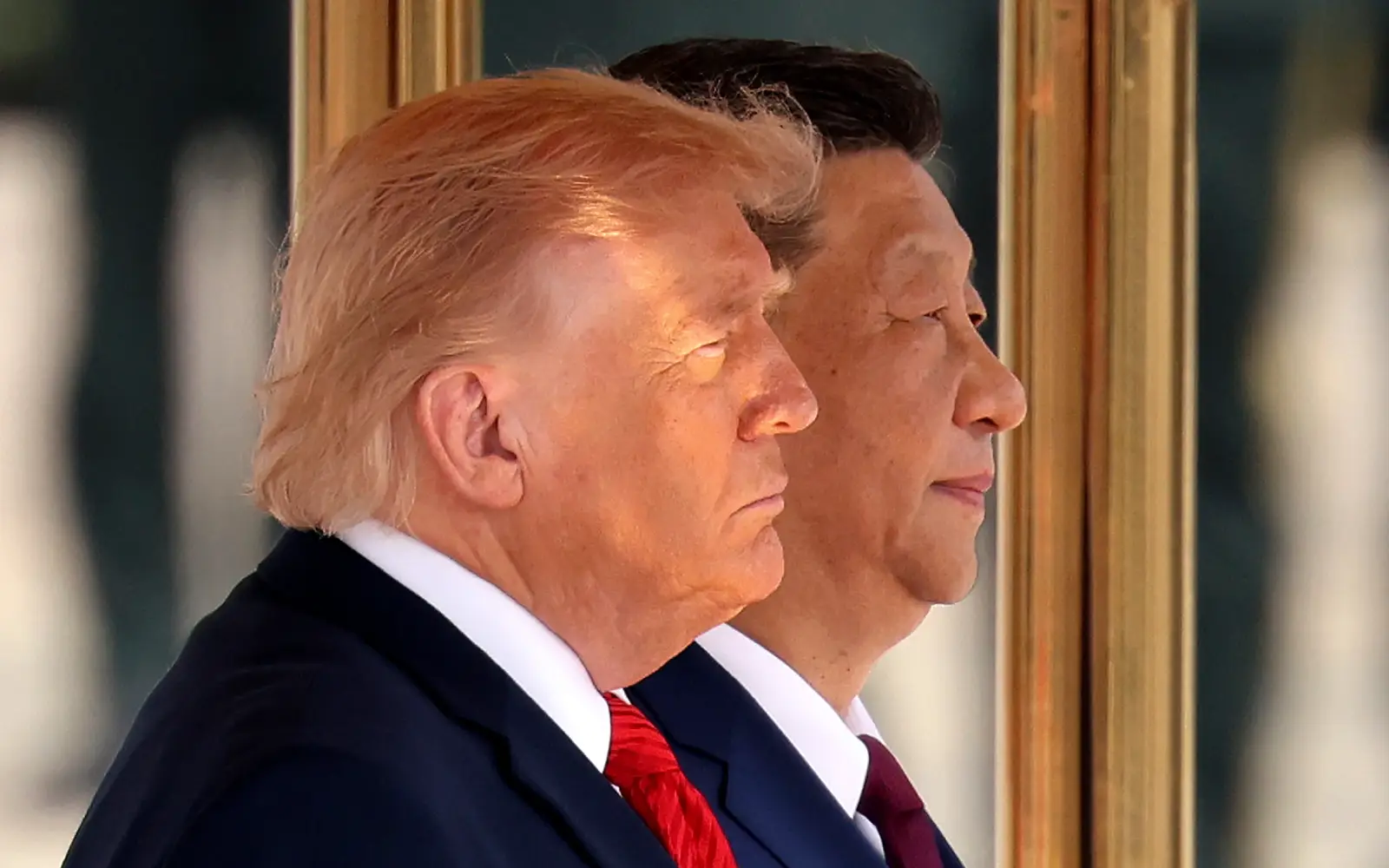
The Great Hall of the People in Beijing served as the backdrop for a diplomatic performance that few expected to see so early in the year. After months of spiraling trade hostilities and the constant threat of a global economic collapse, President Donald Trump and President Xi Jinping have emerged from a two-day summit with a document that aims to steer the world away from the precipice. This Beijing Reset adopts a formal framework known as Constructive Strategic Stability, which Beijing has indicated will serve as the guiding framework for the next three years and beyond. This new paradigm acknowledges the reality of a world divided into competing trade blocs while attempting to build a floor beneath a relationship that many feared was in a terminal descent. By moving toward managed competition, the two largest economies on the planet are signaling a desire to replace the chaotic tariffs of early 2026 with a predictable, if high-tension, status quo.
Central to this stability is an agricultural concession that has become a focal point of the summit. China had already committed to purchasing at least 25 million metric tons of U.S. soybeans annually through 2028 as part of a deal announced last October. The Beijing summit served to reaffirm and potentially extend that commitment. For the American heartland, these figures are more than just trade statistics. U.S. soybean exports to China fell by some 53% in the first eight months of 2025 compared to the same period in 2024, a collapse that alone accounted for over a third of the total drop in agricultural trade value. By reinforcing these purchase volumes, Beijing has provided President Trump with a significant domestic political victory, while ensuring its own food security in a world where supply chains remain fractured by the ongoing energy crisis in the Middle East. This breakthrough suggests that even in a climate of intense rivalry, the fundamental needs of trade can still force a pragmatic compromise.
However, the atmosphere of economic cooperation was punctuated by a stark reminder of the limits of this reset. During the summit, President Xi warned that the U.S. and China “will have clashes and even conflicts” if the Taiwan question is mishandled, stressing it is “the most important issue in China-U.S. relations” and reiterating that Taiwan independence and peace in the Taiwan Strait “are as irreconcilable as fire and water.” This sobering moment serves as a corrective to the immediate market euphoria, reminding global investors that while trade surcharges may be managed, the risk of a catastrophic geopolitical miscalculation is never far from the surface.
While the agricultural commitments are the most visible outcome, the deeper structural shifts are perhaps more significant. The summit occurred against the backdrop of surging energy-driven inflation: OECD data for March 2026 shows that U.S. energy inflation specifically reached 12.5%, with overall OECD headline inflation rising to 4.0%. Both leaders appear to have recognized that a prolonged trade war on top of an energy blockade is a recipe for a global depression that neither can afford. The presence of high-profile American executives — including Elon Musk of Tesla and Jensen Huang of Nvidia — underscores a shift among the corporate elite from total decoupling toward a more nuanced de-risking strategy. These leaders are betting that the Beijing Reset will allow for continued access to the Chinese market even as the United States continues its aggressive onshoring efforts.
As the two leaders depart Beijing, the world is left with a framework that is as fragile as it is ambitious. The agricultural purchase commitments provide a necessary buffer for the American economy, and the Constructive Strategic Stability framework offers a map for future negotiations. Yet, the warning on Taiwan ensures that the peace remains a cold one. The global economy has been granted a respite from the immediate threat of a total break, but the underlying tensions remain unresolved. For now, the world must navigate a paradigm where competition is managed, conflict is postponed, and the survival of the global trade system depends on the ability of two very different leaders to honor a reset born of necessity rather than trust.
References
https://www.fmprc.gov.cn/eng/xw/zyxw/202605/t20260514_11910330.html
https://www.businesstimes.com.sg/international/global/trump-xi-set-second-day-talks-beijing-after-taiwan-warning
https://www.oecd.org/en/data/insights/statistical-releases/2026/05/consumer-prices-oecd-updated-6-may-2026.html
https://www.csis.org/analysis/how-might-trump-xi-summit-impact-us-farmers
https://www.globaltimes.cn/page/202605/1361015.shtml