
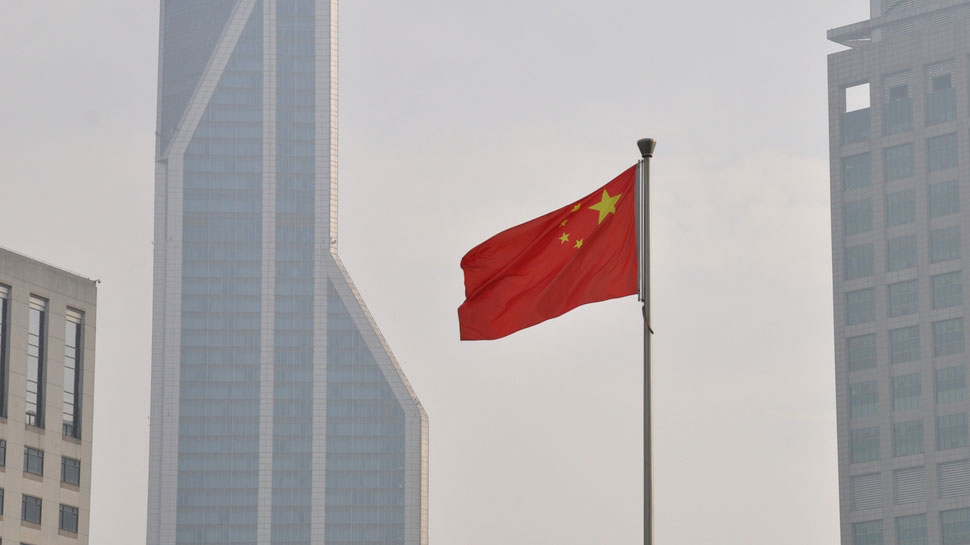
The global trade environment took a tangible step toward stabilization today as China began issuing more “streamlined” export licenses for rare earth minerals, signaling that the diplomatic truce reached at the APEC summit is starting to translate into operational changes. Reports indicate several major magnet producers received broader “general licenses” that allow faster shipments to some customers, though Chinese authorities have not released a full public roll-out, and industry observers warn Beijing retains the administrative tools to retighten controls if geopolitics require.
Simultaneously, the United States is cementing its economic pivot to South Asia. Indian commerce officials told the press this week that the “first tranche” of the U.S.–India Bilateral Trade Agreement (BTA) is largely finalized and is expected to be signed before the end of the calendar year; the phase reportedly focuses on reciprocal tariff measures and deeper defense and technology co-production while leaving tougher agricultural access issues for later rounds. Policymakers say the deal is part of a broader “Mission 500” push to grow bilateral trade, even as observers note the timetable remains subject to final legal and legislative checks.
These geopolitical maneuvers are occurring against a backdrop of renewed industrial momentum. Industry group data released today show global semiconductor equipment billings rose about 11% year-over-year in Q3 2025, a boost the association attributed to increased investment in AI-related capacity. That private-sector momentum was on public display yesterday with the inauguration of a major semiconductor-materials site in Taiwan, built to help meet rising demand for next-generation AI chips.
Taken together, these moves suggest supply chain pressures are easing even while important legal and policy questions remain unresolved. In the United States, the Supreme Court is currently considering challenges to the administration’s use of emergency powers to impose tariffs, a case that could limit executive authority and complicate future trade policy if the justices rule against the government. Market participants caution that a favorable private-sector response now could still be upset by subsequent legal or administrative actions.