
27 Feb 2026
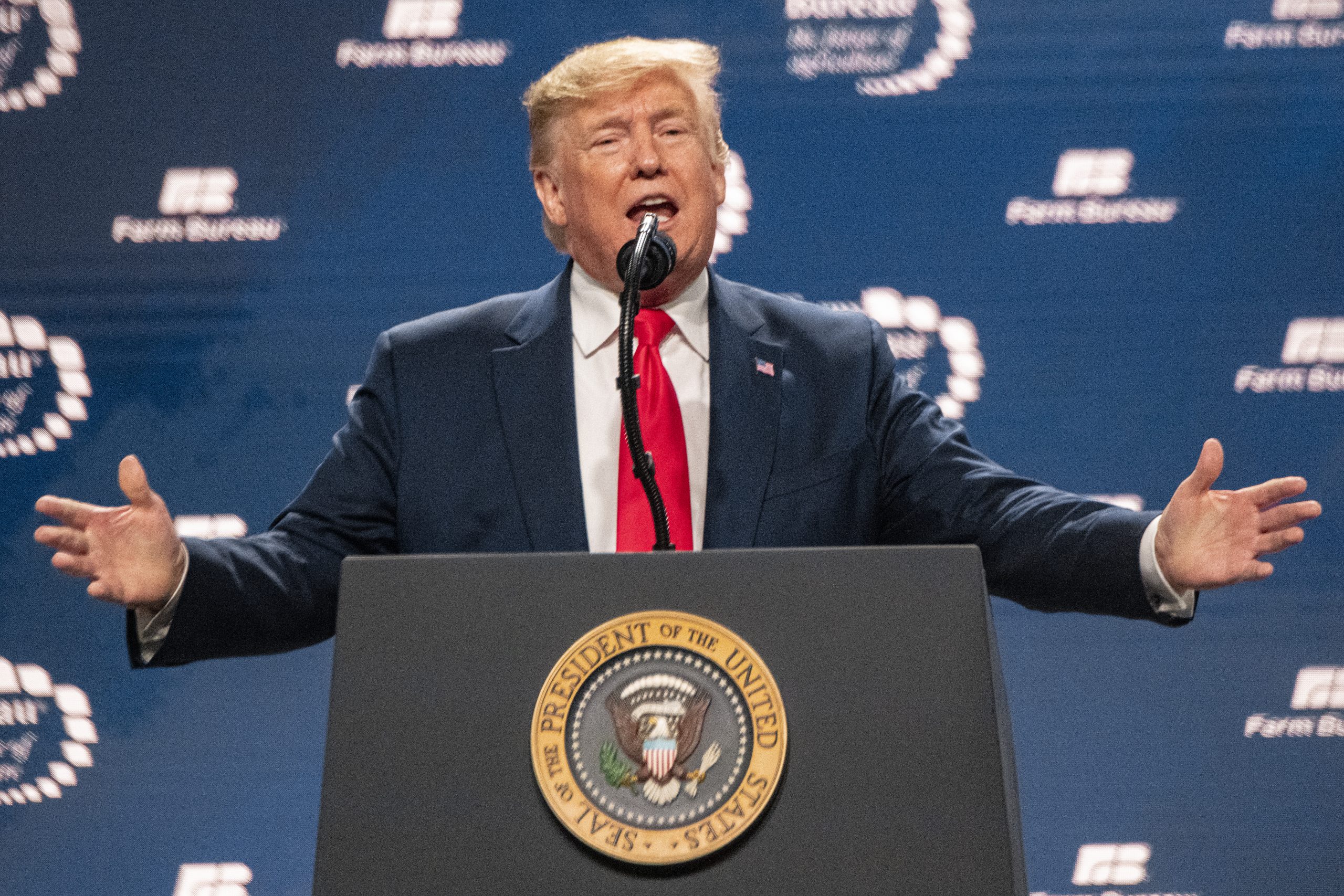
The landscape of international commerce has shifted following a U.S. Supreme Court ruling that invalidated the administration’s use of broad-based emergency tariffs under the International Emergency Economic Powers Act. In response, the White House announced the invocation of Section 122 of the Trade Act of 1974, imposing a temporary 15 percent global import duty aimed at addressing balance-of-payments concerns. This move represents a transition from reliance on emergency authority to a statutory trade mechanism embedded in existing legislation. As reported by The Japan Times, the administration has framed the policy as a legally grounded recalibration of trade strategy following judicial constraints.
The Court’s 6–3 decision was widely interpreted as a meaningful limitation on executive discretion in trade policy, particularly regarding the use of national emergency powers to justify universal tariffs. Section 122 differs significantly from IEEPA in both scope and structure. Rather than requiring a declared national emergency, it authorizes a temporary surcharge of up to 15 percent, or the imposition of quotas, for a period not exceeding 150 days in response to serious balance-of-payments problems. By characterizing the tariff as a corrective macroeconomic instrument rather than a national security response, the administration has repositioned its strategy within a specific statutory framework that affords the executive branch defined, though time-limited, authority.
International reactions have been cautious. According to TIME, European officials signaled concern over the broader direction of U.S. trade policy, particularly regarding previously negotiated tariff ceilings and side arrangements. Governments in export-dependent economies, including several ASEAN states, are reportedly assessing whether the temporary nature of the 150-day measure will be strictly observed or extended through successive actions. For multinational corporations, the policy shift suggests that trade barriers may no longer be episodic measures but increasingly integrated into formal legislative processes, requiring more durable compliance and risk-management structures.
Financial implications are already under scrutiny. A 15 percent surcharge applied across a wide range of imports could contribute to renewed inflationary pressures, potentially complicating monetary policy decisions. While the Congressional Budget Office has noted that tariffs can generate short-term federal revenue, it has also emphasized that longer-term economic costs, including supply chain realignment and potential retaliation, may offset fiscal gains. As markets await clarification regarding exemptions and implementation details, the broader trajectory of U.S. trade policy appears to be entering a phase defined less by emergency improvisation and more by institutionalized protectionism.
Sources
https://www.cbo.gov/publication/62105
https://time.com/7380454/eu-us-trade-deal-jeopardy-trump-tariffs-threat/
https://www.japantimes.co.jp/business/2026/02/21/economy/trump-global-tariffs-supreme-court-ruling/